
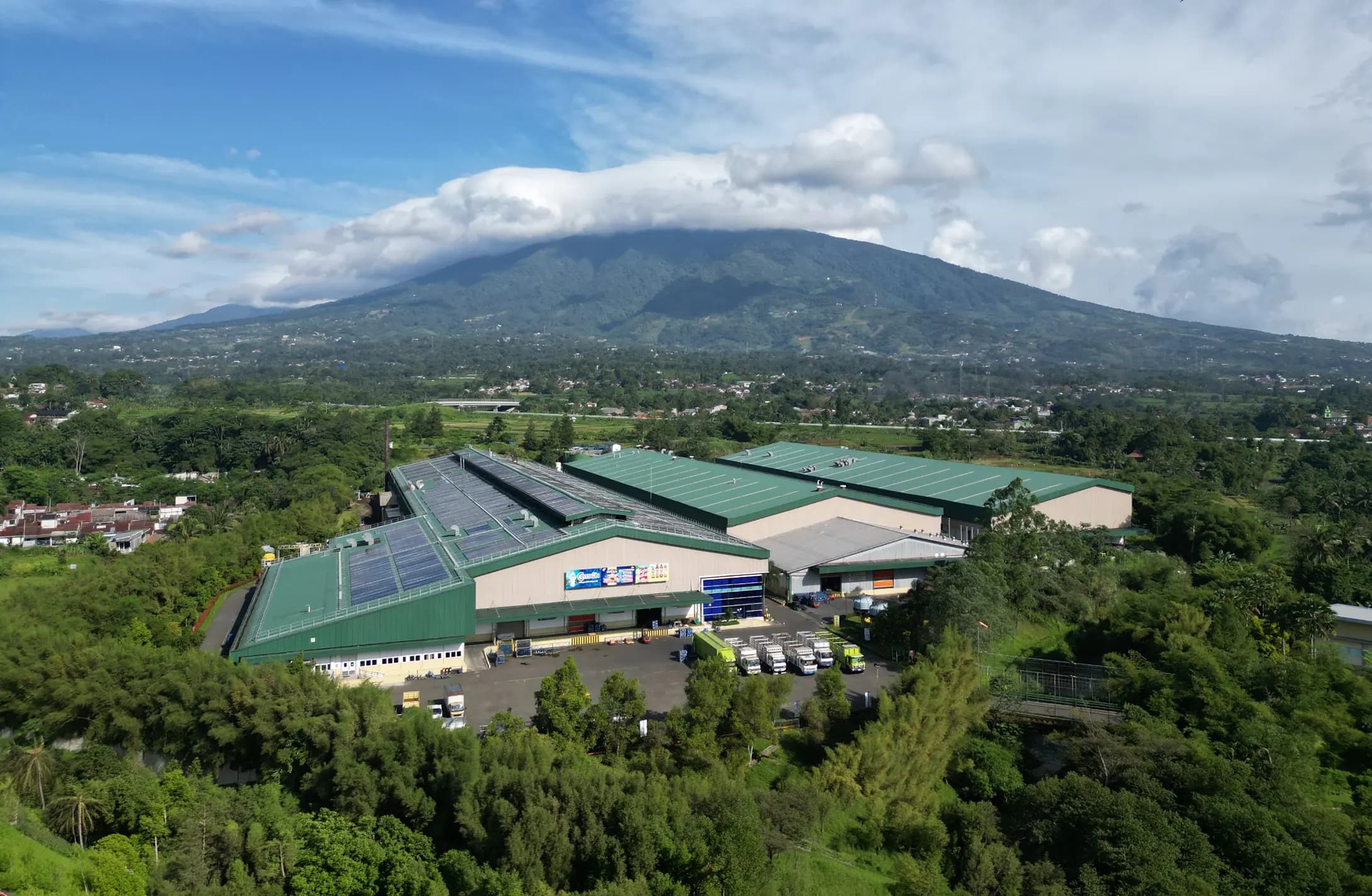
Sustainability is at the heart of how we live out our mission every day—to nourish and cleanse the world. Our ambition is to grow alongside the people we serve and the planet that sustains us, building a future worth sharing—one step, one innovation, and one community at a time.
We believe in a future where sustainability strengthens both society and our business resilience. Guided by Indonesia’s commitment to the Sustainable Development Goals (SDGs), we strive to make responsible choices in how we operate. Our focus centers on two key priority areas: Education, Health & Prosperity, and Energy & Waste.
Our mission extends beyond our products and into the lives of the communities around us. We focus on advancing good health and well-being (SDG 3) through nutrition and hygiene education, expanding access to quality education (SDG 4), and fostering inclusive economic growth and decent work (SDG 8) within local communities. At the same time, our efforts aim to help reduce poverty (SDG 1) by creating more equitable opportunities and improving everyday living conditions.
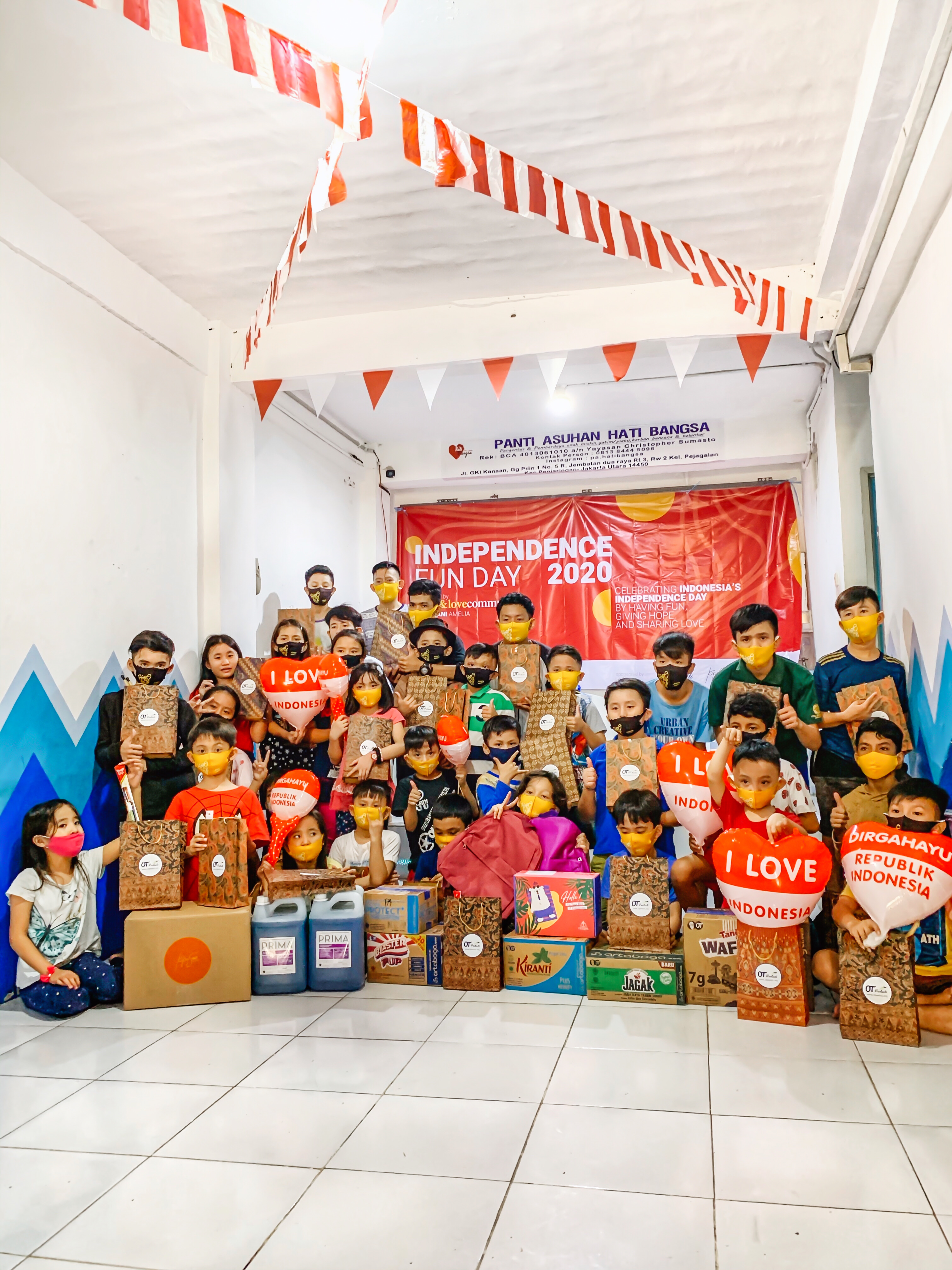
We recognize our responsibility to stand with our communities, especially during times of crisis. Therefore, we established Yayasan OT Group Peduli (OT Peduli), the official foundation of OT Group, dedicated to fostering the social well-being of marginalized groups and disaster-affected regions.
Through OT Peduli, we aim to help reduce poverty (SDG 1) and hunger (SDG 2), improve access to good health and well-being (SDG 3), and create more inclusive support systems that contribute to reducing inequalities (SDG 10).
Our initiatives focus on three strategic areas where we can deliver the most meaningful shared value:
We are ready to partner with those who share our vision for a more resilient Indonesia. You can join our mission through the following forms of collaboration:
Donations help us scale our reach to more regions in need.
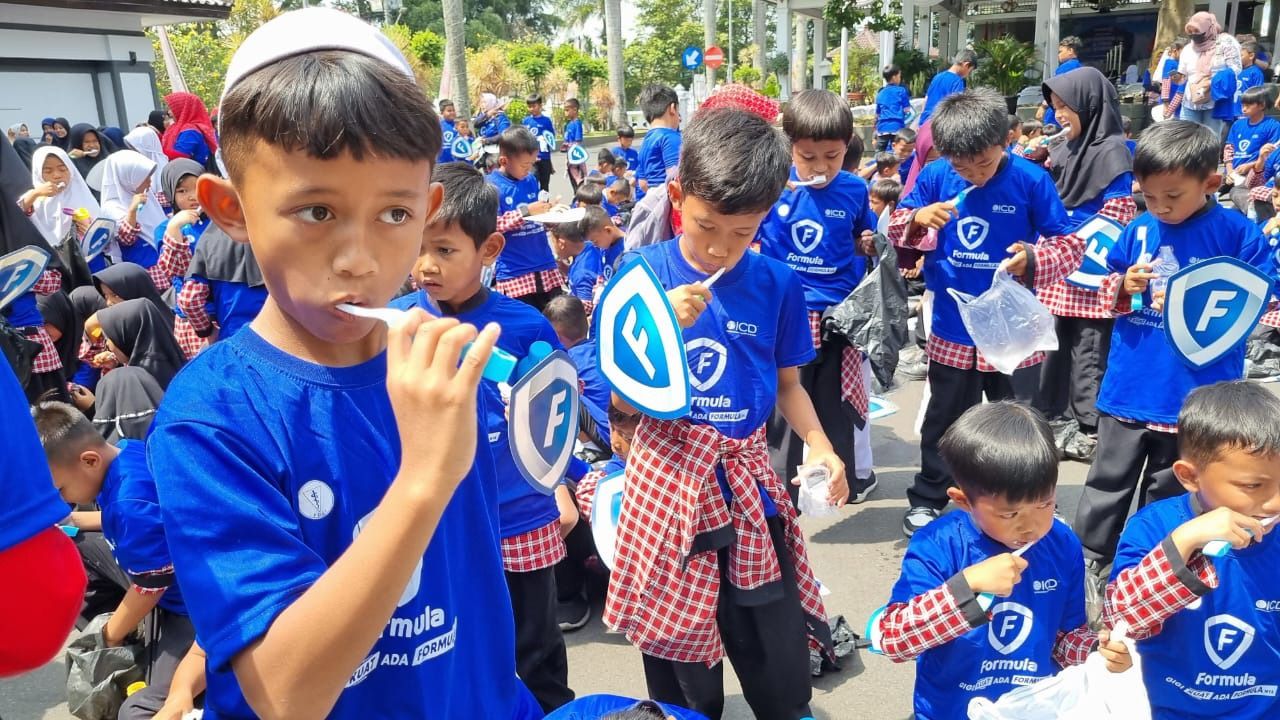
We believe that health is the foundation of a thriving society. By integrating education with accessibility, we empower families and the next generation to make informed choices for healthier daily living. Through our initiatives, we promote good health and well-being (SDG 3) while strengthening access to quality education (SDG 4), ensuring that essential knowledge on hygiene and nutrition reaches vulnerable children and wider communities.
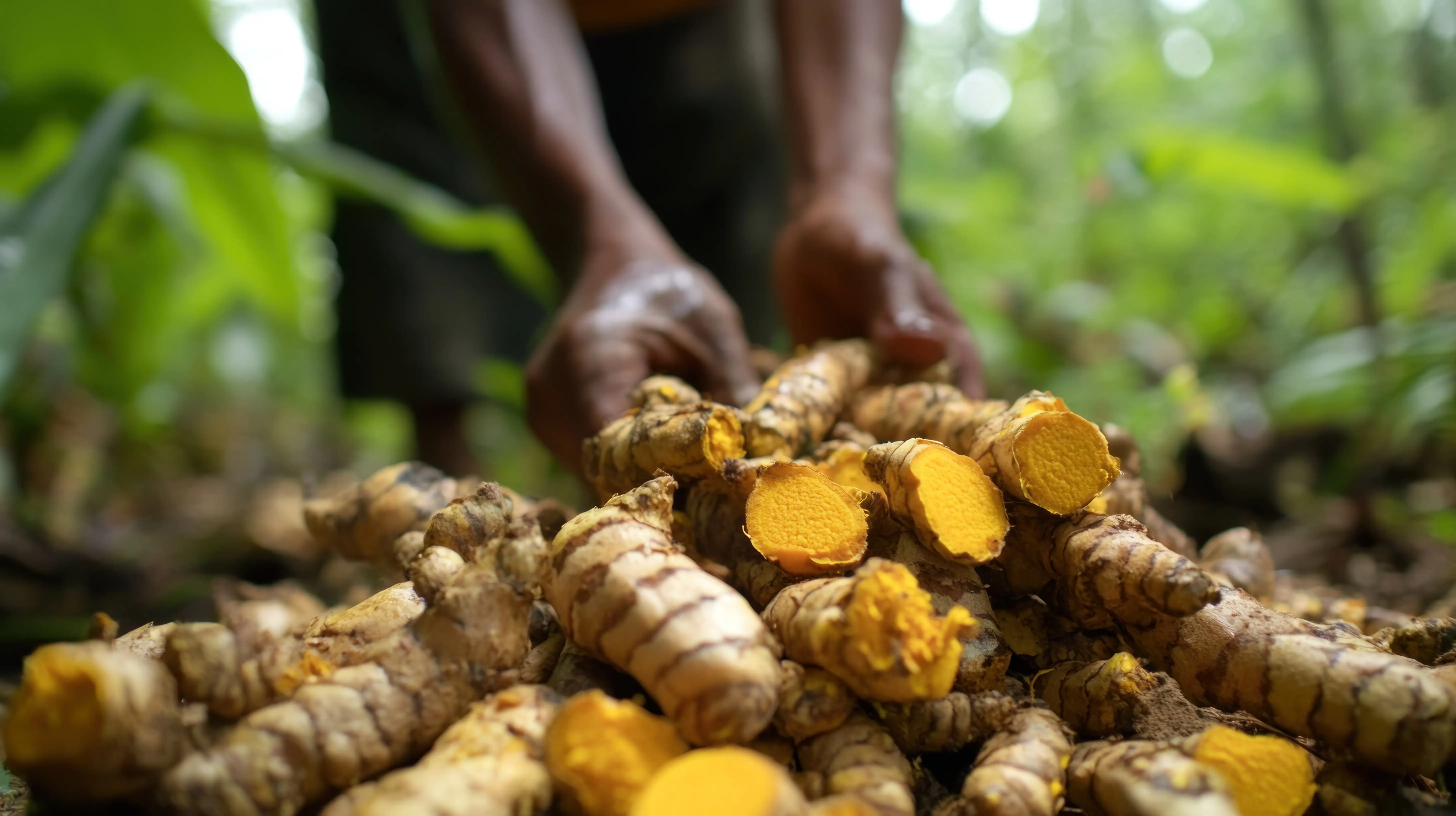
We aim to be an active partner in creating shared prosperity by strengthening long-term economic resilience. Through brand-led initiatives—including workshops, training, and access to resources—we support the growth of Micro, Small, and Medium Enterprises (UMKM).
By enabling local businesses to scale and connect to broader opportunities, we contribute to decent work and economic growth (SDG 8) while also supporting innovation and inclusive industrial development (SDG 9).
In doing so, we help build a more resilient and equitable economic ecosystem for local communities.
We are transforming our operations in response to the climate crisis and Indonesia’s green economy vision. Our approach focuses on adopting cleaner energy, improving efficiency, and rethinking how resources are used across our value chain.
Through these efforts, we contribute to affordable and clean energy (SDG 7), promote responsible consumption and production (SDG 12), and take action toward addressing climate change (SDG 13).
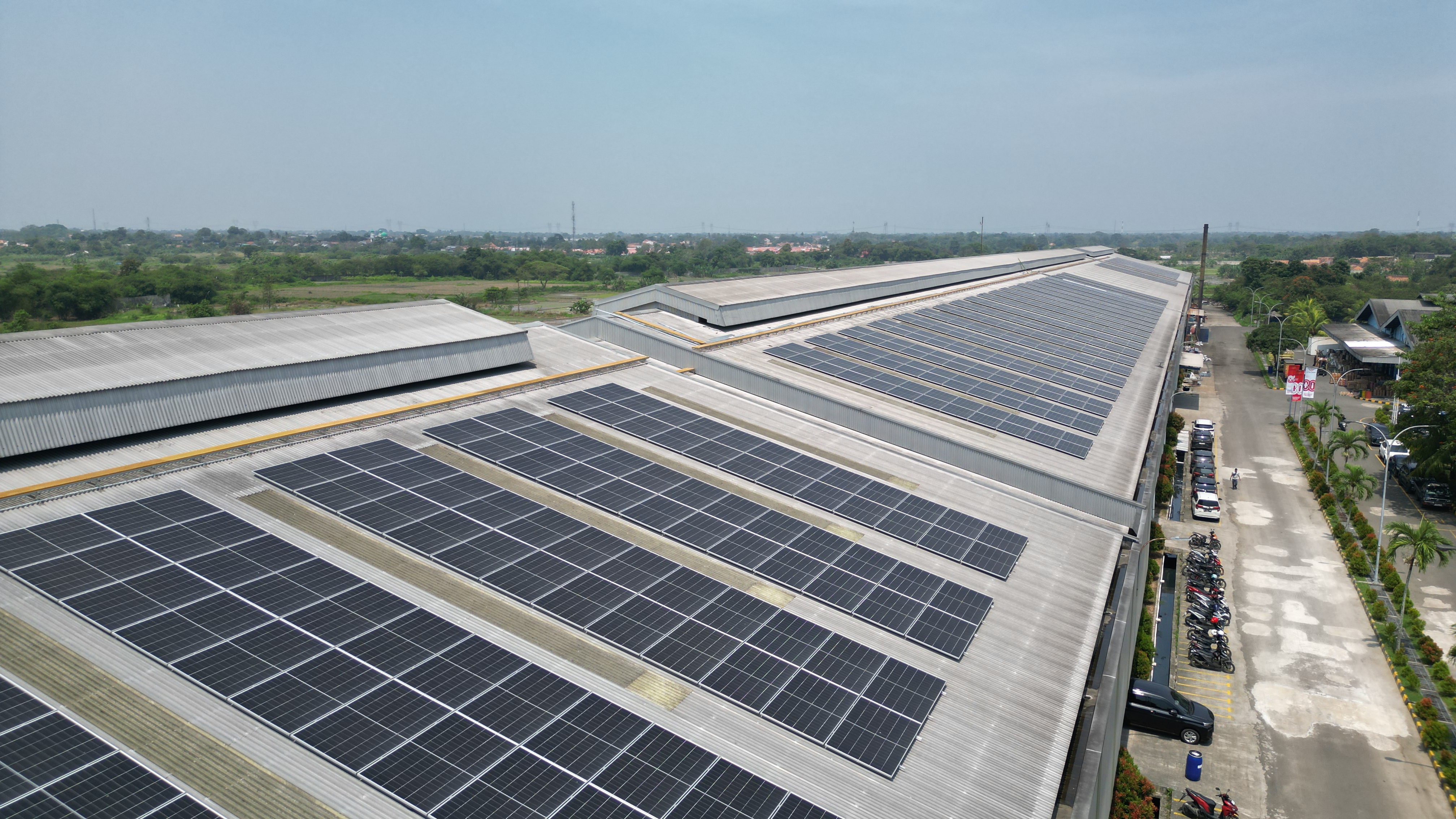
We are progressively transitioning toward a greener energy ecosystem by adopting renewable energy sources such as Solar Power Plants (PLTS) across our facilities.
This transition supports the shift toward affordable and clean energy (SDG 7) while helping reduce emissions as part of broader climate action efforts (SDG 13).
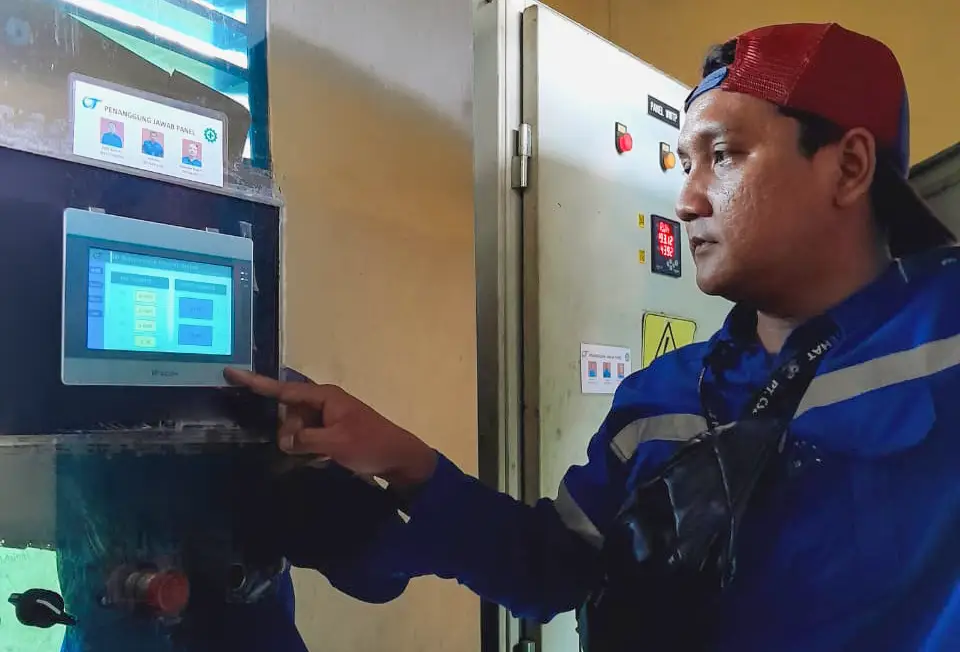
Operational excellence is at the core of our manufacturing processes. We invest in real-time automation across production lines and wastewater treatment systems, enabling more precise and efficient resource management.
By optimizing how energy and water are used, we support more responsible consumption and production (SDG 12), strengthen sustainable industrial practices (SDG 9), and reduce emissions in line with climate action (SDG 13).
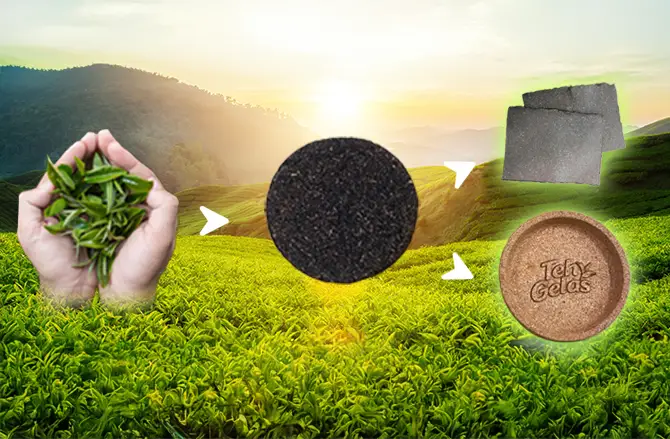
We are moving beyond the traditional ‘take-make-waste’ model toward a more circular approach. By rethinking byproducts and packaging, we aim to extend the lifecycle of materials and reduce environmental impact.
This approach contributes to responsible consumption and production (SDG 12) by turning waste into value, such as converting shell ash into building materials and transforming leftover tea leaves into recycled home goods.